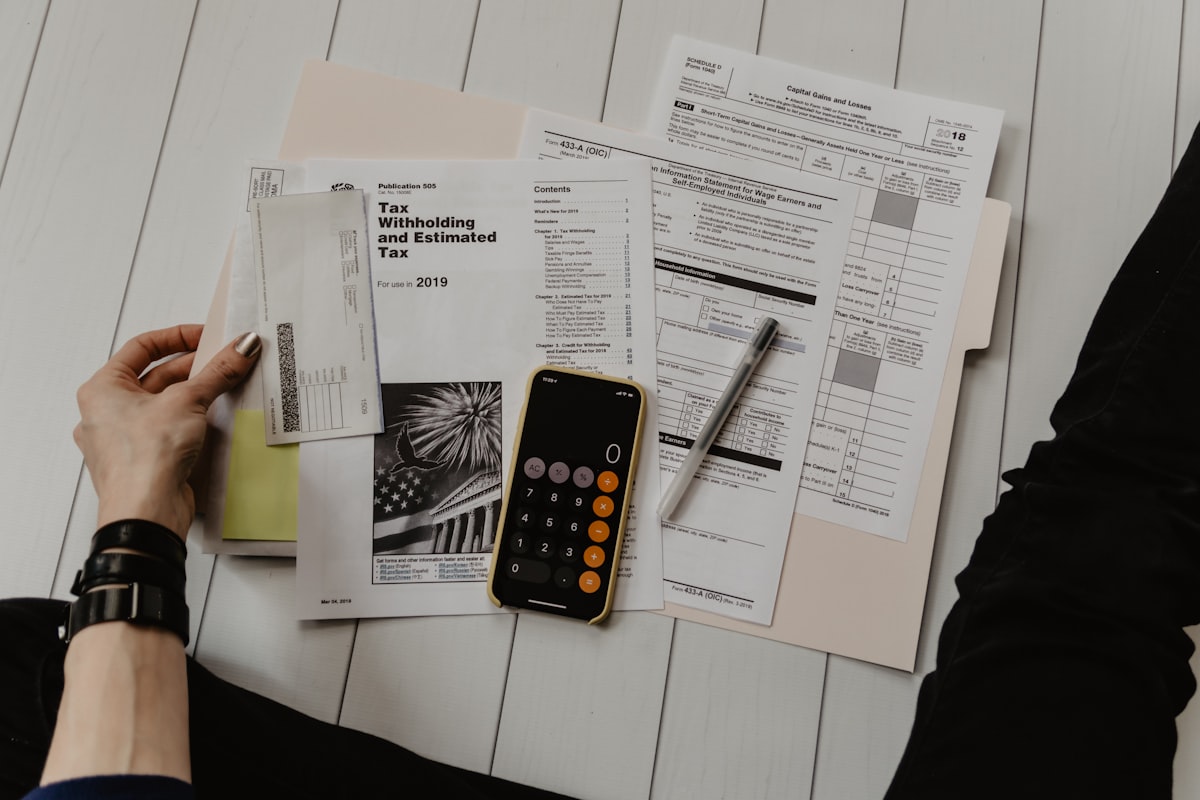
What Happens After Property Taxes Go Unpaid in Florida? Tax Certificates, Tax Deeds, and Homeowner Options
What Happens After Property Taxes Go Unpaid in Florida? Tax Certificates, Tax Deeds, and Homeowner Options
Key Takeaways: In Florida, unpaid property taxes do not usually mean the county immediately takes your house. The process normally starts with a tax certificate sale, where investors pay the delinquent taxes and receive a certificate that can earn interest. If the taxes remain unresolved long enough, that certificate can eventually lead to a tax deed application and a public sale process. For homeowners, the smartest move is usually to act early: verify the delinquency, understand the redemption amount, watch notice deadlines carefully, and compare realistic options before the problem compounds with fees, interest, legal risk, title complications, or mortgage trouble.
Property-tax distress in Florida is one of those problems people often misunderstand until it is suddenly personal. Many owners assume unpaid taxes work like a normal late bill. Others jump to the opposite extreme and believe they can lose the property almost overnight. Neither view is accurate. Florida has a process, and that process matters. But it is also a process that gets more dangerous when people ignore notices, rely on hearsay, or confuse a tax certificate with a tax deed.
This guide is built for the real questions people ask when the notices start arriving. What exactly happens if Florida property taxes go unpaid? What is a tax certificate? When can a tax deed sale happen? Can the owner still redeem the property? What mistakes make things worse? And how should a homeowner think about next steps if tax delinquency is colliding with other issues like mortgage strain, probate, vacancy, repairs, inherited ownership, or a property they can no longer afford to carry?
The goal here is not fear. It is clarity. Tax delinquency usually becomes most destructive when owners stay confused too long. The earlier you understand the timeline, the more control you tend to keep.
How unpaid property taxes usually start becoming a real problem in Florida
In Florida, county tax collectors are responsible for collecting property taxes, and unpaid balances do not simply disappear into a vague backlog. If taxes are not paid, the delinquency can trigger a formal sequence that eventually affects title, costs, and the owner's control over the property. The early stage often feels deceptively quiet. A homeowner may miss the significance of a tax notice because life is busy, the property is inherited, the mailing address is outdated, or the owner is already overwhelmed by mortgage, insurance, repair, or family issues.
That is why the first practical rule is simple: do not treat unpaid taxes like background noise. Even when the problem seems small relative to the property value, the process can gather momentum. Interest, fees, and administrative costs begin to matter. If the taxes remain unpaid, the county can move toward a tax certificate sale. That is the point where a lot of owners first realize this is not just a billing issue anymore.
For basic public guidance, owners should review their county tax collector's official site and the Florida Department of Revenue's property-tax materials. Florida Statutes, especially the sections governing tax certificates and tax deed sales, provide the legal framework behind what counties do in practice. Those sources can be dry, but they are still better than neighborhood mythology.
What a tax certificate is in plain English
A Florida tax certificate is not the county selling your house to an investor. That misunderstanding causes a lot of unnecessary panic. In plain English, a tax certificate sale is usually the county selling the tax delinquency claim tied to unpaid property taxes. The certificate holder pays the delinquent taxes and, in return, receives a certificate that can earn interest under Florida's rules. The property owner still owns the property at this stage. But the delinquency has now moved into a more formal, more expensive, and more serious lane.
From the homeowner's perspective, the key concept is redemption. As long as the property is redeemed according to the rules and timeline, the owner can usually resolve the certificate-related delinquency by paying the required amount, including taxes, interest, and fees. That is why certificate stage and deed stage are not the same thing. The certificate is part of the path that can eventually lead to a tax deed application if the problem remains unresolved, but it is not itself the loss event.
Investors tend to understand this better than ordinary homeowners. Homeowners often just hear the words "sold at tax sale" and assume the title is already gone. Usually, that is not what happened at certificate stage. Still, it would be a serious mistake to relax too much. A tax certificate is a warning that time is no longer neutral.
How a tax deed becomes possible in Florida
If the delinquency is not redeemed and enough time passes, the certificate holder may eventually be able to apply for a tax deed. This is where the risk level changes significantly. A tax deed process is much closer to an actual forced sale event than the earlier certificate stage. The exact mechanics matter, and counties follow formal notice and public-sale procedures. But the big-picture reality is straightforward: unresolved tax delinquency can move from a redeemable debt problem into a title-threatening sale process.
This stage tends to expose every weakness in an owner's situation. If the property is inherited, co-owned, vacant, storm-damaged, or tied up in family disagreement, delay gets more expensive. If the owner also has a mortgage, HOA balance, insurance lapse, code problem, or deferred repairs, the tax issue rarely stays isolated. It starts interacting with everything else. A house that might have been manageable six months earlier becomes a much harder asset to stabilize once taxes, notices, and public-sale pressure are layered on top.
The critical point is not memorizing every statute from memory. It is understanding that the owner should not wait for the final stage before getting serious. By the time a tax deed sale is approaching, the room for calm, low-cost problem-solving is usually much narrower than it was earlier.
Why people fall behind on taxes in the first place
It is easy to talk about delinquent taxes like they only happen to irresponsible owners. Real life is messier than that. In Florida, unpaid taxes often show up when a property has become part of a broader strain pattern. The owner may be elderly and disorganized. The house may be inherited and no one is taking ownership of the bills. A rental may have become a money pit after vacancy, eviction, repairs, or insurance increases. A homeowner may be dealing with illness, divorce, job loss, storm damage, or a mortgage problem that consumed all available cash. In some cases, the property has simply become a burden the owner cannot realistically carry anymore.
That matters because the right solution depends on the real cause. If the delinquency is small, temporary, and fixable, the best move may be straightforward redemption and better bill management going forward. If the delinquency is a symptom of deeper financial mismatch, then paying the taxes without addressing the larger problem may only buy a little time before the same property triggers a new crisis.
Good decision-making starts when owners stop asking, "How do I make this notice go away today?" and start asking, "Is this property still workable for me over the next year or two?" Those are not the same question.
Florida-specific factors that make tax delinquency more dangerous
Florida property owners face pressures that can make a tax problem escalate faster in practical terms, even when the legal timeline is not immediate. Insurance costs have become a major strain point for many households. Older homes may require repairs or updates that owners have been postponing for years. Storm exposure can create unexpected damage and policy complications. If the property sits vacant, maintenance risk rises. If it is in an HOA or condo setting, association balances can stack on top of tax issues. If the property was inherited, probate and title coordination can slow everything down right when speed starts to matter.
There is also a psychological trap Florida owners fall into with highly appreciated property. They assume, "The house has equity, so the tax issue is not that serious." Equity helps, but it does not solve timing or execution problems by itself. A property can be worth a lot on paper and still become operationally difficult if the owner is unable to redeem the taxes, repair the house, coordinate heirs, or close a sale before the pressure tightens.
That is why owners should think in terms of control, not just value. A high-value house can still produce a bad outcome if control collapses before the owner acts.
What owners should do first when they receive a tax notice
The first step is verification. Confirm exactly what tax year is delinquent, what amount is due, and which county office currently controls the process. Pull the information directly from the county tax collector or other official county records source rather than relying on secondhand descriptions. Make sure the mailing address and owner-contact details on file are correct. If the property is inherited or owned through an estate, trust, or multiple family members, identify who is actually authorized and able to act.
The second step is to identify the stage of the problem. Is this simply unpaid property tax before a certificate sale? Has a certificate already been sold? Is there already a tax deed application in process? Those stages are not interchangeable. A lot of bad decisions happen because owners use one label for all of them and underestimate the urgency.
The third step is numbers. Ask what it would take to redeem the delinquency now. Then compare that with the broader holding-cost picture. If the owner pays this off today, can the property be carried responsibly after that? Or is redemption just a temporary patch on a structurally bad situation? That distinction matters more than pride.
When paying the delinquent taxes is the right move
Sometimes the simplest answer is the correct one. If the delinquent amount is manageable, the property is otherwise affordable, title is clean, and the owner wants to keep the house long term, then paying the taxes and moving on may be the best outcome. There is no need to dramatize a fixable problem.
But even in that scenario, the owner should ask why the taxes became delinquent. Was it a one-time disruption? A missed notice? A bookkeeping problem on an inherited property? Or is it a sign that ownership costs are no longer aligned with the household's income and obligations? A tax problem that emerged from temporary chaos can often be solved cleanly. A tax problem that emerged from structural unaffordability usually comes back in some form if nothing else changes.
That is why it helps to think one step beyond redemption. Paying off the current problem is not the same as stabilizing the property.
When selling the property becomes the more realistic option
For some Florida owners, a delinquent-tax notice is the event that finally forces honesty. The property may need repairs the owner cannot fund. It may be inherited and tangled among heirs who are tired of carrying costs. It may be a vacant house that keeps draining cash for insurance, utilities, lawn maintenance, and municipal headaches. It may be a rental that no longer works. In those cases, the smartest move may not be preserving ownership. It may be preserving equity and reducing future damage through a sale.
A traditional retail sale can make sense if there is enough time, enough cooperation among decision-makers, and enough property condition to attract likely financed buyers without excessive fallout risk. But owners should be realistic. A house with tax delinquency often has other drag factors too: deferred maintenance, clutter, vacancy, title confusion, or family fatigue. If the property needs extensive cleanup or repair and the timeline is tightening, an ordinary listing may not be as simple as the owner hopes.
That does not automatically mean an as-is or direct sale is always superior. It means the sale path should be chosen based on probable execution, not fantasy net sheets. In time-sensitive situations, the cleanest close often beats the highest theoretical price.
Common mistakes homeowners make with Florida tax lien and tax deed issues
First mistake: confusing a tax certificate with the immediate loss of title. This creates panic, and panic leads to sloppy decisions. Certificate stage is serious, but it is not the same as a completed tax deed sale.
Second mistake: ignoring notices because the amount feels small. Small delinquent amounts can still lead to expensive consequences when interest, fees, and delay pile up.
Third mistake: assuming equity makes the problem harmless. Equity only helps if the owner can actually convert it into a solution before the process strips away options.
Fourth mistake: failing to coordinate all parties. In inherited or co-owned properties, one person often assumes someone else is handling the taxes. That is how avoidable messes become major problems.
Fifth mistake: waiting for a perfect plan. Owners often keep telling themselves they will deal with it after they sort out probate, repairs, family disputes, refinancing, or tenant issues. Meanwhile, the tax timeline keeps moving.
Sixth mistake: focusing only on the tax bill and not the whole property picture. Sometimes the tax issue is just the visible symptom of a property that has become too expensive, too complicated, or too neglected to carry sensibly.
How to compare your options without fooling yourself
A practical comparison sheet can remove a surprising amount of emotional noise. Build three columns: keep and redeem, list traditionally, and sell as-is. Under each one, estimate cash needed up front, likely timeline, repair burden, title/coordination burden, monthly carrying costs, and best probable net. Then add a line most people forget: what happens if the plan fails?
If you redeem the taxes but still cannot carry the property six months from now, what then? If you list traditionally and the house sits because of condition or title issues, what then? If you need multiple heirs to sign and one goes silent, what then? Real estate problems become expensive when people underwrite the future as if every step will go smoothly.
A strong decision is not the one with the prettiest upside scenario. It is the one that still holds together when reality is inconvenient.
People Also Ask
Does a tax certificate sale mean I already lost my house in Florida?
Usually no. A tax certificate sale is generally the sale of the delinquent tax claim, not an immediate transfer of the property's title. But it is still a serious escalation, and the owner should learn the redemption amount and timeline quickly.
What is the difference between a tax lien, a tax certificate, and a tax deed in Florida?
In everyday conversation, people often use these terms loosely. In Florida practice, the tax delinquency can lead to a tax certificate sale, where an investor pays the delinquent taxes and receives a certificate. If the certificate is not redeemed and enough time passes, that can progress toward a tax deed application and public-sale process. The key point is that certificate stage and deed stage are different levels of risk.
Can I still pay and stop the process?
In many cases, yes, but the answer depends on the exact stage and the amount required to redeem. Owners should confirm the current status directly with the appropriate county office rather than assuming they still have the same options they had months earlier.
What if the house is inherited and no one has been paying the taxes?
That is common in Florida. Inherited properties are especially vulnerable when heirs are unclear on responsibility, the mailing address is outdated, or probate/title work is incomplete. The sooner the family identifies the decision-makers and gets official numbers, the better the odds of preserving options.
Can a mortgage lender get involved if property taxes are unpaid?
Yes, unpaid taxes can create broader problems, especially when a property is mortgaged. Lenders care because tax obligations can affect the property's status and the lender's security position. If both mortgage strain and tax delinquency are present, the owner should evaluate the full picture fast.
What a smart next step looks like
If you are dealing with unpaid property taxes in Florida, the smart next step is usually not rushing into the first solution you hear. It is getting precise. Confirm the stage. Confirm the amount needed. Confirm who must sign or act. Then decide whether this is a temporary issue that can be cleanly redeemed or a signal that the property itself has become too expensive or too difficult to keep.
That process may lead to a simple payoff. It may lead to a coordinated sale. It may lead to legal or title cleanup first. The point is to stop operating from vague fear. Florida tax-lien and tax-deed problems do not improve through avoidance. They improve through accurate information and timely decisions.
Conclusion
When property taxes go unpaid in Florida, the path from delinquency to tax certificate to possible tax deed is serious—but it is also understandable if you slow it down and look at each stage clearly. Owners get into the most trouble when they confuse the stages, underestimate redemption costs, or keep hoping the issue will somehow stay small on its own. The strongest move is usually early clarity: verify the delinquency, understand the timeline, and compare your realistic options while control still belongs to you.
For some people, that will mean paying the taxes and stabilizing ownership. For others, it will mean recognizing that the property has become a burden and solving the larger problem before notices and costs tighten the window. Either way, the right approach is the same: facts first, action second, and no wishful thinking in between.
